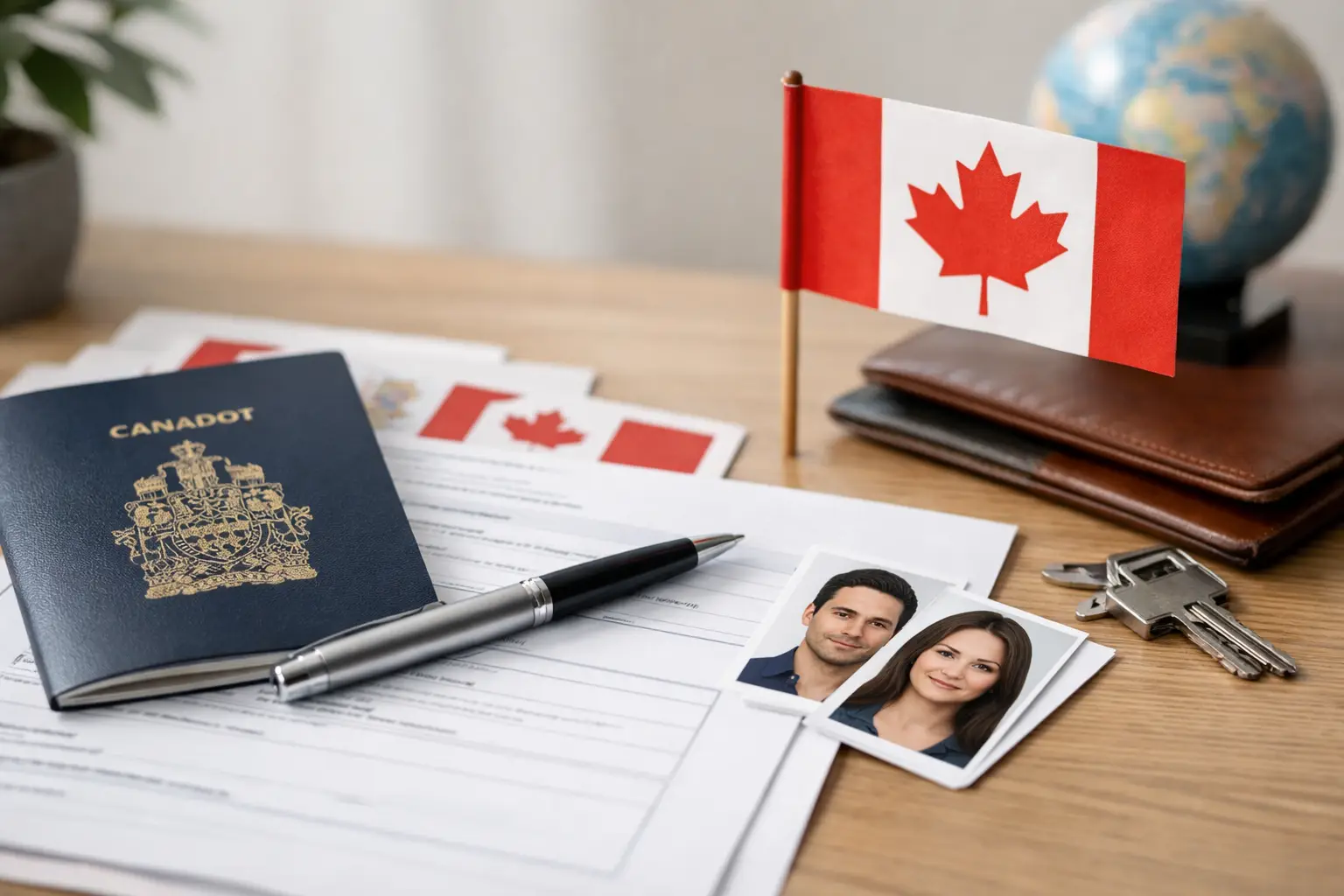
A Canadian citizenship application can feel deceptively simple until you begin gathering records from several years of life, travel, work, and family changes. To prepare citizenship documents well, start with the facts that support your eligibility, then build a file that is consistent across every form, upload, and supporting record. Careful preparation can reduce preventable delays and give you greater confidence before you submit.
Citizenship is a meaningful final step for many permanent residents and their families. It also comes with specific legal requirements. A document checklist is not a substitute for confirming eligibility, especially if you have extensive travel, periods outside Canada, criminal or immigration history, a prior refusal, or a complicated name or family situation.
Start With Eligibility Before Collecting Documents
The documents you need depend on your age, how you apply, and your personal history. Before requesting records or scanning anything, confirm that citizenship is the right application at this time.
Most adult applicants must have valid permanent resident status, meet the required physical presence threshold, have filed Canadian income taxes when required, and meet language and knowledge requirements if they are between ages 18 and 54. Applicants must also consider whether any prohibition could affect eligibility. For example, certain criminal matters, removal orders, or unfulfilled immigration requirements can change the analysis.
Physical presence deserves particular attention. Your travel history must be accurate, not estimated from memory. Short trips to the United States, business travel, family visits, and same-day border crossings can all matter. Start creating a travel timeline early by reviewing passport stamps, airline confirmations, calendars, email receipts, employment records, and entry or exit information you may have retained.
If you are close to the physical presence minimum, do not rush because a date seems likely. A small error in your travel history can have larger consequences than waiting until your calculation is clearly supported.
How to Prepare Citizenship Documents in a Logical Order
A strong citizenship file is organized around identity, status, presence in Canada, and any individual requirements. Rather than collecting documents randomly, work through those categories one at a time.
Confirm your identity and permanent resident status
Begin with clear copies of the identity documents requested in the current application package. This may include your passport or travel documents, permanent resident card, and other government-issued identification. Check that names, dates of birth, and document numbers are readable and consistent.
Pay close attention to name differences. A maiden name, a changed surname after marriage or divorce, a missing middle name, or a spelling variation can be manageable, but it should be explained and supported. Depending on the situation, a marriage certificate, divorce document, legal name-change certificate, or other record may be needed to connect the names used throughout your immigration history.
Expired passports can still be important. If they cover any part of the relevant eligibility period, they may help confirm travel and residence. Do not assume that only your current passport matters.
Build a reliable travel history
Your physical presence calculation and travel history must tell the same story. Record every absence from Canada during the applicable period, including departure and return dates. Keep a working spreadsheet or timeline for your own review, even if you later enter the information directly into an online application.
Avoid guessing when a date is unclear. Look for evidence and resolve gaps before submission. If a passport has no stamp for a particular trip, airline records, hotel reservations, credit card activity, work calendars, and emails may help reconstruct the dates. The goal is accuracy, not a perfectly tidy travel history.
For frequent travelers, this is often the most time-consuming part of the application. A consultant can help identify inconsistencies before they appear in the application, but the applicant remains the best source of the underlying travel information.
Gather language evidence if it applies to you
Applicants between ages 18 and 54 generally need acceptable proof of English or French language ability. The right document depends on your circumstances. It may be a qualifying language test result, a Canadian education credential, or another accepted record.
Do not submit a document simply because it is written in English or because you attended school in Canada. It must meet the citizenship program’s specific standards. Check the current requirements before relying on a diploma, transcript, certificate, or test result, particularly if the record is older or was issued outside Canada.
Review your tax filing history
Citizenship applicants may need to show that they met their Canadian income tax filing obligations for the relevant years. In many cases, immigration authorities can verify information with the Canada Revenue Agency, but you should still review your own filing history before you apply.
If you did not file for a year when you may have been required to file, resolve the issue before submission where possible. A gap does not always mean you are ineligible, since filing obligations depend on individual circumstances. Still, it is better to understand and address the question early than to be surprised by it after applying.
Include family and child-specific records where needed
A minor’s citizenship application can involve different requirements from an adult application. The documents may depend on whether the child applies with a parent, whether a parent is already a Canadian citizen or is applying at the same time, and who has legal authority to act for the child.
For children, be ready to review birth certificates, custody or guardianship documents, adoption records where applicable, and identity documents. If parents live in different countries or one parent is not participating in the application, clarity around consent and decision-making authority matters. These are situations where individualized advice can prevent avoidable requests for more information.
Make Every Copy Clear, Complete, and Consistent
Document quality is not a minor administrative detail. A blurry passport page, cropped certificate, missing reverse side, or unreadable stamp can lead to questions that slow the application.
Scan documents in color when possible and review every page at full size before uploading. Include all pages requested, not only the page that appears most relevant. Keep original documents in a secure place after scanning, because immigration authorities may ask to see them later.
If a document is not in English or French, it generally needs a complete translation that meets the program’s requirements. Do not rely on an informal translation by a family member. The translation process may also require an affidavit or other supporting information, depending on who completed it and where. Plan extra time for this step, especially for civil records from abroad.
Consistency matters just as much as legibility. Your address history, work history, travel dates, names, and family details should align with the application and with prior immigration records. If something has changed since you became a permanent resident, such as a marriage, separation, child, new passport, or address, make sure the application explains the current facts accurately.
Use a Final Review Process Before Submission
Before you submit, review the full application as if you were seeing it for the first time. Confirm that every question has been answered, dates follow the correct format, required declarations are completed, and uploaded files match the labels in the portal. Keep a copy of the final application, payment confirmation, and every document submitted.
It is also wise to prepare for the period after filing. Citizenship applications can involve requests for additional documents, an interview, a citizenship test, or a ceremony invitation. Check your email and application account regularly, and update immigration authorities promptly if your contact information changes.
For applicants with complicated travel patterns, prior immigration concerns, criminal charges or convictions, tax uncertainty, or a previous citizenship refusal, professional guidance can be particularly valuable. An RCIC-IRB can review the facts, explain the scope of representation, and help prepare a strategy based on your actual record. Novica Immigration approaches this work with clear expectations and honest advice, because no representative can guarantee an outcome.
Citizenship is more than another form to complete. Give yourself time to collect accurate records, ask questions when the rules are unclear, and submit an application that reflects your life in Canada with care.