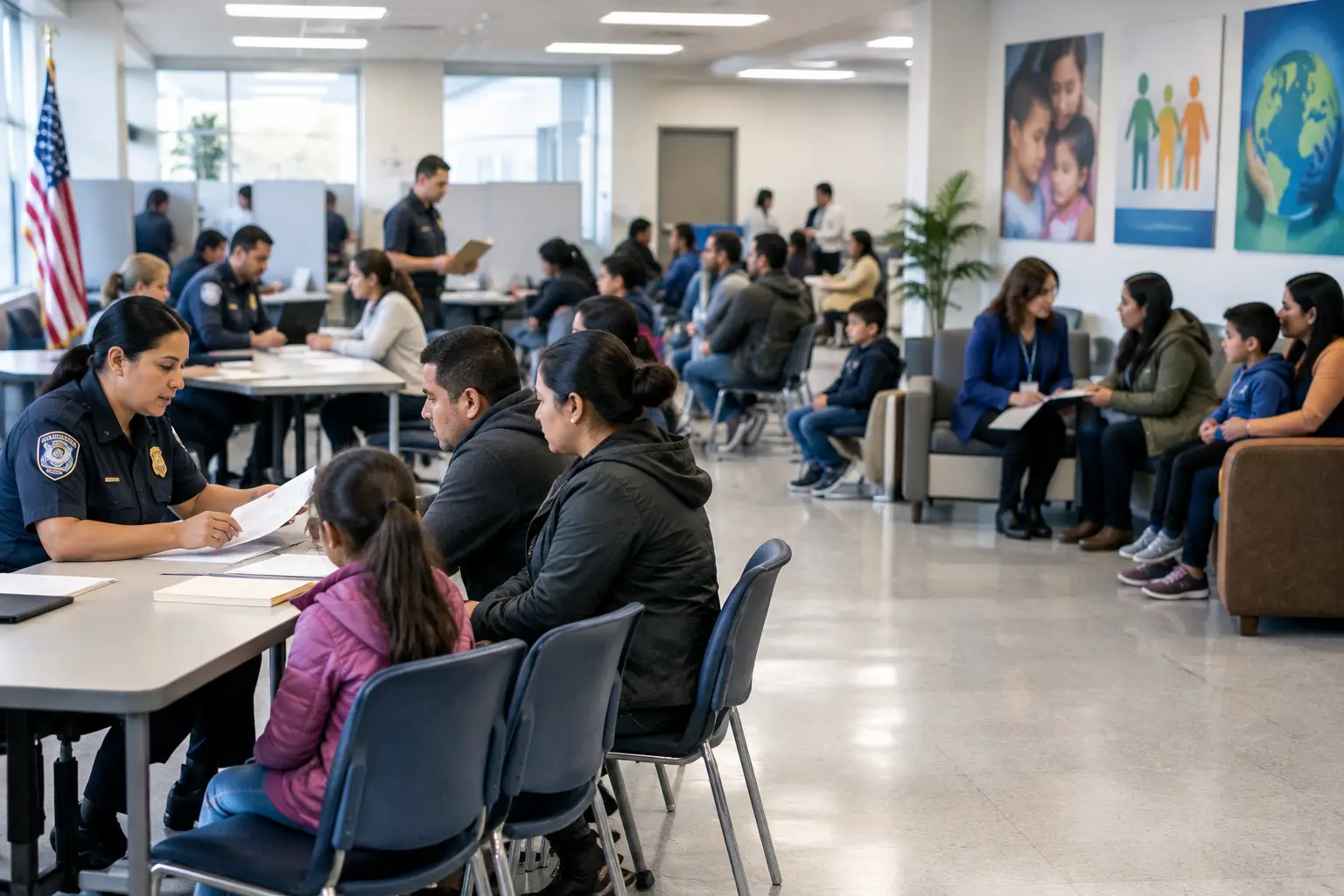
A parent’s immigration detention can turn an already stressful border or status issue into an urgent family decision. In Canada, immigration detention of children and minors is governed by safeguards intended to protect a child’s well-being, but the situation can still be frightening and complicated. Families need clear information quickly, especially when a child may be separated from a parent or asked to remain with them in a detention facility.
Canadian immigration detention is administrative, not criminal. The Canada Border Services Agency may detain a foreign national or permanent resident when there are concerns about identity, flight risk, or danger to the public, among other legal grounds. Detention does not decide a person’s immigration application or remove their right to seek advice and representation.
How Canada Treats Immigration Detention of Children and Minors
Under Canada’s immigration law, detaining a minor must be a measure of last resort. Decision-makers must consider the child’s best interests, including their age, physical and emotional needs, family relationships, education, and the practical effects of detention.
There is an important distinction between a child who is formally detained and a child who is housed with a detained parent. A child may stay with a parent in an immigration holding center to avoid separation without being legally detained themselves. However, the impact on the child must still be assessed carefully. Staying together can be the least disruptive choice in some cases, but it is not automatically the best option in every family’s circumstances.
Canadian authorities are expected to consider alternatives to detention before holding a minor or keeping a family together in a facility. Depending on the facts, alternatives may include reporting requirements, a cash or performance bond, a guarantor, or supervised community-based arrangements.
What Happens After a Detention Decision
A detention decision is subject to independent review by the Immigration Division of the Immigration and Refugee Board of Canada. The first review generally occurs within 48 hours, followed by another review within seven days if detention continues, and then at least every 30 days.
At a review, the decision-maker considers whether the legal reason for detention still exists and whether release conditions could address the concern. For a family involving a minor, evidence about the child’s best interests should be specific rather than general. Information about school attendance, medical needs, caregiving arrangements, developmental concerns, and the effect of separation can all matter.
Families should not assume that release is guaranteed because a child is involved. The outcome depends on the full record, including identity documentation, the person’s immigration history, compliance with prior conditions, and any public safety concerns. Still, a well-prepared plan for release can make a meaningful difference.
Documents and information that may help
When possible, gather identification documents for each family member, proof of the child’s school enrollment or childcare arrangements, medical records or prescription information, and contact details for relatives or friends in Canada. If someone is willing to act as a guarantor, they should be prepared to explain their relationship to the family, financial circumstances, and ability to support compliance with release conditions.
It can also help to prepare a realistic address and care plan. A release proposal should answer practical questions: Where will the family live? How will they attend required appointments? Who will care for the child if a parent must attend a hearing or report to an officer? Vague assurances are less persuasive than a plan supported by documents and responsible people.
Protecting a Child’s Interests During Detention
Parents and caregivers should ask for clear information about the child’s status. Is the minor formally detained, or are they staying with a detained parent? What alternatives have been considered? When is the next detention review? These questions create a record and help the family understand the immediate options.
A child’s needs should be raised early, not only at a later hearing. Tell officials about urgent medical issues, disabilities, trauma, school needs, medication, dietary requirements, or risks connected to separation from a parent. Keep copies of documents and notes of significant conversations where possible.
Representation also matters. Novica Immigration can help explain the detention process, organize evidence, prepare a release plan, and represent an eligible client before the appropriate immigration tribunal. Some cases may require additional legal support, particularly where there are complex constitutional, child protection, or criminal-law issues.
A Calm, Practical Next Step
No family should have to respond to a detention situation by guessing what paperwork or legal process comes next. Focus first on the child’s immediate safety and care, then gather documents, identify reliable support in Canada, and obtain qualified advice as soon as possible. Clear preparation cannot guarantee an outcome, but it gives decision-makers a fuller picture of the family and the child whose future is affected.