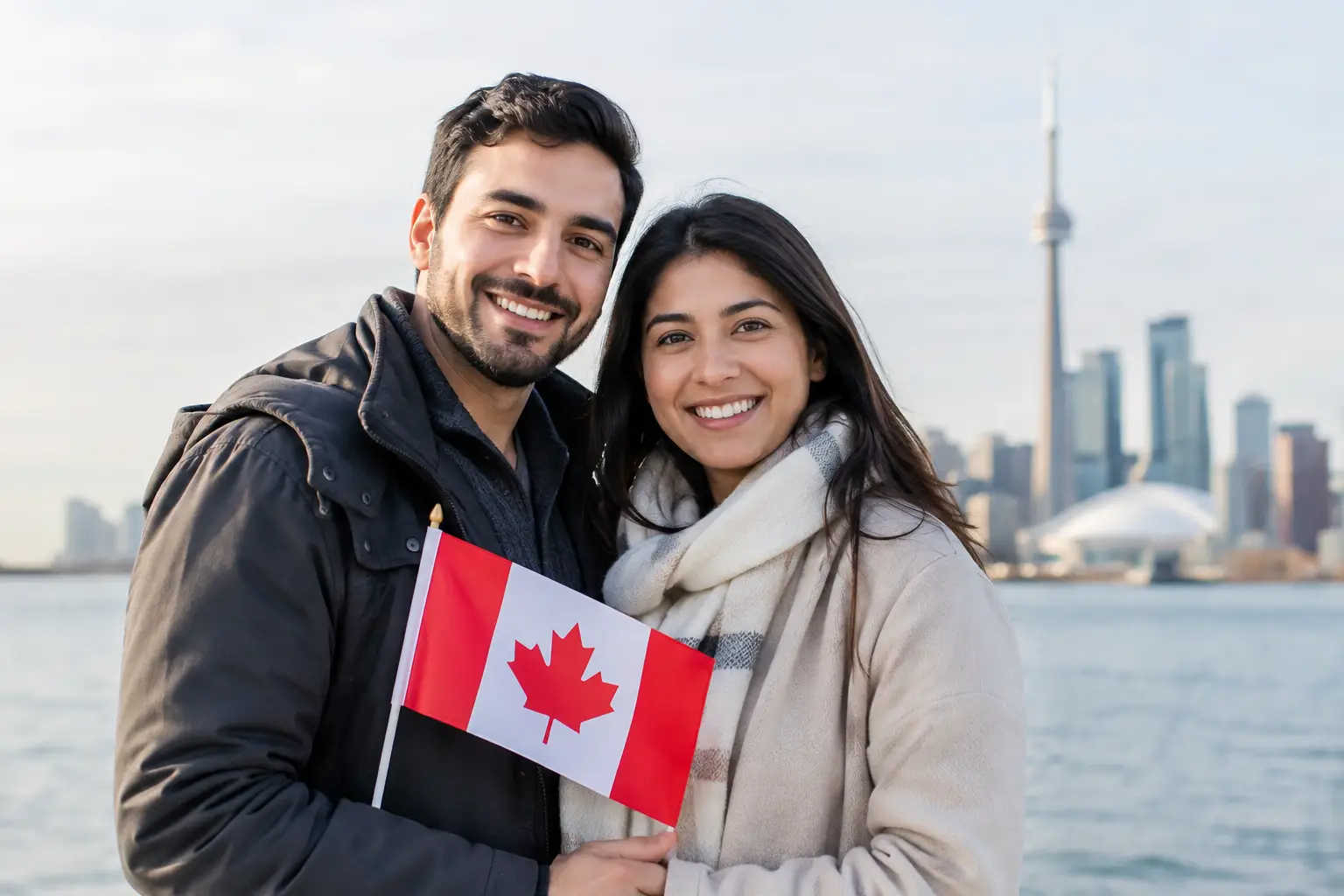
A family sponsorship application is more than a set of forms. It is a request for Canada to recognize a real relationship and allow a couple to build a stable life together. Spousal Sponsorship Canada: Requirements, Eligibility and How to Apply can feel overwhelming when your future depends on details such as relationship evidence, travel history, and correctly completed forms. A careful plan can make the process more understandable from the beginning.
Who can apply for spousal sponsorship in Canada?
Canadian citizens, permanent residents, and people registered under the Canadian Indian Act may be able to sponsor their spouse, common-law partner, or conjugal partner for permanent residence. The sponsor must be at least 18 years old and must show that they can meet the responsibilities of sponsorship.
A spouse is someone to whom you are legally married. A common-law partner is someone with whom you have lived continuously in a marriage-like relationship for at least 12 months. Short absences for work, family obligations, or travel may be possible, but the couple must be able to show that the shared home and relationship continued.
Conjugal partner applications are less common and are intended for couples who have been in a committed relationship for at least one year but cannot live together or marry because of serious legal, immigration, social, or cultural barriers. This category is not simply an alternative for partners who prefer not to marry or have not yet reached the 12-month common-law threshold.
The sponsored person must generally be at least 18 years old, pass required medical, criminality, and security screening, and be admissible to Canada. A past refusal, criminal charge, medical concern, or prior immigration issue does not automatically end the possibility of sponsorship, but it should be assessed early and addressed honestly.
Sponsor eligibility and responsibilities
Most spousal sponsorship cases do not have a fixed minimum income requirement. However, the sponsor signs an undertaking to provide for the sponsored person’s basic needs, including food, shelter, clothing, and health needs not covered by public health insurance. The undertaking generally lasts three years after the sponsored person becomes a permanent resident.
That obligation remains in place even if the relationship later ends. It is a serious legal commitment, not a formality attached to the application.
A sponsor may be ineligible in certain circumstances, including if they are receiving social assistance for reasons other than disability, are in default of a previous sponsorship undertaking or immigration debt, are subject to a removal order, are incarcerated, or have certain criminal convictions. Someone who was themselves sponsored as a spouse may also face a waiting period before they can sponsor a new spouse or partner.
Canadian citizens can usually sponsor while living outside Canada if they demonstrate that they intend to return to Canada when the sponsored person becomes a permanent resident. Permanent residents must generally be living in Canada to sponsor. This distinction matters for couples currently living in the United States or another country.
The relationship must be genuine
Immigration, Refugees and Citizenship Canada examines whether the relationship is genuine and whether it was not entered into primarily to obtain immigration status. There is no single document that proves this. Officers look at the full story of the couple.
Strong applications present evidence that is consistent, organized, and proportionate to the relationship. Depending on the couple’s circumstances, this may include marriage certificates, photos over time, travel records, messages or call records, joint leases, shared bank or insurance documents, letters from friends and family, and proof of financial or household interdependence.
The goal is not to submit every message you have ever sent. A large, unorganized file can make it harder to see the evidence that matters. Instead, provide a clear timeline and carefully selected records that show how the relationship developed, how you stay connected, and how you make decisions as a couple.
Couples who have spent significant time apart should explain why. Long-distance relationships are common, particularly when work, study, visas, or family responsibilities are involved. The key is to document the relationship realistically: visits, communication, financial support where applicable, future plans, and the efforts both partners made to remain involved in each other’s lives.
Spousal Sponsorship Canada requirements: choosing the right process
Most couples apply through the family class process. The application can be prepared while the sponsored spouse or partner is outside Canada, or while they are living in Canada with the sponsor. The right approach depends on the couple’s location, temporary status, travel needs, and personal circumstances.
When the sponsored person is in Canada, an inland-style application may be appropriate. In some cases, an eligible applicant may also apply for an open work permit after submitting the permanent residence application. This can be especially helpful for couples who want to remain together while the case is processed.
However, applicants in Canada should think carefully about travel. Leaving Canada is not automatically prohibited, but re-entry is never guaranteed. Someone whose temporary status is expiring must also take steps to preserve or extend status where eligible. Permanent residence sponsorship does not automatically provide legal temporary status.
An application processed while the sponsored person lives abroad may offer more flexibility for travel, but processing circumstances and document requirements can vary by country. There is no universal “better” option. The best strategy is the one that fits the couple’s actual situation and avoids assumptions about status, travel, or eligibility.
How to apply for spousal sponsorship in Canada
The process begins with confirming that both the sponsor and applicant qualify, then gathering documents before completing the online application. Starting with a document plan helps prevent rushed explanations and last-minute omissions.
A typical application includes sponsorship forms, permanent residence forms, identity and civil status documents, police certificates where required, relationship evidence, digital photos, and country-specific supporting documents. The applicant will usually need an immigration medical examination when instructed. Government processing fees, biometrics fees, medical exam costs, police certificate costs, and translation expenses are separate from professional fees.
Accuracy matters across every form. Names, dates, addresses, employment history, previous marriages, children, travel, and immigration history should align with passports, civil records, and prior immigration applications. If information is unavailable or a date is uncertain, do not guess. Provide a clear explanation and supporting evidence where possible.
Once the application is submitted through the required online system, IRCC may issue an acknowledgment of receipt, request biometrics, ask for additional documents, or schedule an interview. A request is not necessarily a sign that the case will be refused. It is an opportunity to respond completely, on time, and in a way that addresses the officer’s question directly.
Keep copies of everything submitted and report material changes promptly. These can include a new address, a new child, a change in marital status, a passport renewal, a criminal charge, or a significant change in the sponsor’s circumstances.
When extra preparation is needed
Some cases deserve more planning before submission. This includes relationships with limited time spent together, large gaps in age or language, previous sponsorships, prior refusals, marriages shortly after meeting, complex family arrangements, or concerns about inadmissibility. None of these facts automatically mean a relationship is not genuine. They do mean the evidence and explanations need to be especially clear.
Previous immigration applications also matter. If an applicant previously declared a different marital status, omitted a family member, overstayed status, or received a refusal, the sponsorship application should address the record consistently. Trying to hide a difficult fact can create a more serious problem than the fact itself.
A regulated immigration professional can help assess eligibility, organize evidence, prepare forms and written explanations, submit the application, and manage communication after filing. At Novica Immigration, the focus is on clear strategy and honest preparation, not promises about an outcome that no representative can guarantee.
A practical way to begin
Before collecting hundreds of documents, create a simple relationship timeline. Note when you met, when the relationship became serious, periods you lived together, trips you took, your marriage or common-law date, and your plans for life in Canada. Then match each key period with evidence.
This small step often reveals what is already well documented and what may need explanation. You do not have to figure out every part of the process alone, but a truthful, well-organized account of your relationship is the strongest place to start.