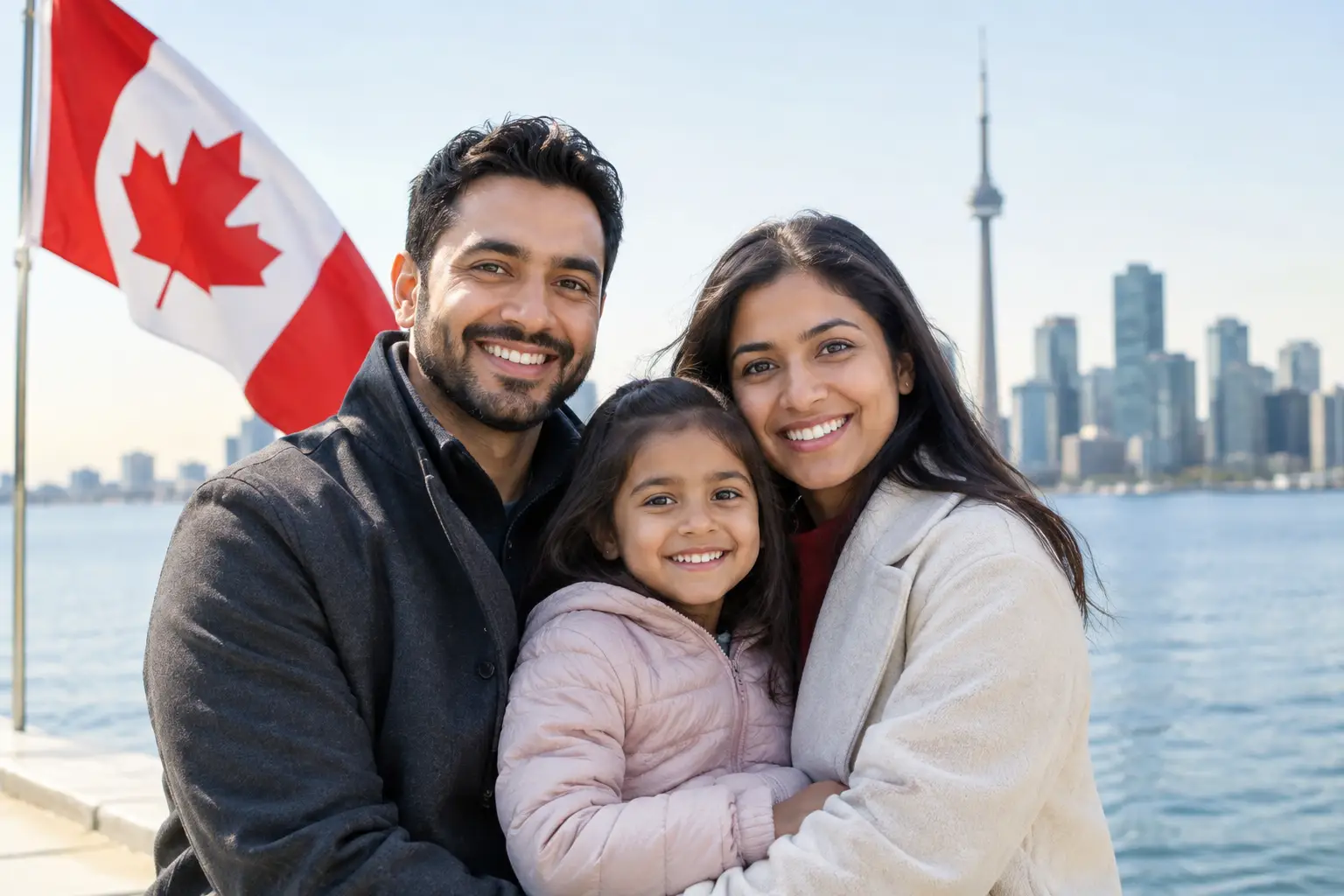
Family sponsorship can turn a permanent residence plan into something deeply personal: a spouse no longer separated by borders, a child able to build a stable life with a parent, or a family reunited after years apart. It is also a legal application process with strict eligibility rules, detailed forms, and evidence standards. A genuine relationship is essential, but it must be presented clearly and consistently to Immigration, Refugees and Citizenship Canada (IRCC).
For Canadian citizens and permanent residents, the first question is not simply, “Can I bring my relative to Canada?” It is which family class applies, whether both people qualify, and what evidence will allow an officer to understand the relationship without filling gaps with assumptions. Careful preparation does not guarantee approval, but it can prevent avoidable delays, returned applications, and concerns about credibility.
Who may qualify for family sponsorship in Canada?
Canada’s family class program permits eligible Canadian citizens and permanent residents to sponsor certain close relatives for permanent residence. The most common applications involve a spouse, common-law partner, conjugal partner in limited circumstances, or dependent child. Other pathways may be available for parents and grandparents when an intake program is open, and in narrow situations for other relatives.
The sponsor generally must be at least 18 years old, live in Canada or, if a Canadian citizen living abroad, show an intention to return to Canada when the sponsored person becomes a permanent resident. Permanent residents must ordinarily be living in Canada to sponsor. The sponsor must also meet eligibility requirements related to prior sponsorships, financial obligations, criminality, bankruptcy, and receipt of certain social assistance.
The person being sponsored must be admissible to Canada. That means IRCC may assess medical, criminal, security, and identity issues, among other factors. A family relationship does not automatically remove an inadmissibility concern. If there is a past refusal, criminal charge or conviction, previous immigration issue, or uncertainty about documents, strategy should begin before forms are submitted.
Sponsoring a spouse or partner
A spouse is legally married to the sponsor. A common-law partner is someone with whom the sponsor has lived in a marriage-like relationship for at least 12 consecutive months, subject to limited exceptions for short absences. A conjugal partner category exists, but it is not a substitute for couples who simply prefer not to marry or live together. It is intended for particular situations where serious barriers prevented cohabitation or marriage.
IRCC looks beyond labels. The application should show that the relationship is genuine and was not entered into primarily for immigration purposes. Evidence may include the history of the relationship, communication records, travel and visits, shared housing, financial interdependence, photographs, support from family and friends, and future plans. The right evidence depends on the couple’s real circumstances. A long-distance relationship will not look the same as a couple who have shared a home for years.
Sponsoring a dependent child
A dependent child may be biological or adopted, and eligibility depends on the child’s age, marital status, and other legal requirements. The application often requires proof of the parent-child relationship, identity documents, custody records where applicable, and consent from a non-accompanying parent or legal guardian.
These cases deserve particular care when parents are separated, when a child lives in another country, or when there is an existing court order. Immigration requirements do not replace family-law obligations. A clear plan should account for both.
The undertaking is a real financial commitment
Family sponsorship includes an undertaking: a binding promise by the sponsor to provide for the sponsored person’s basic needs for a set period. The length of the undertaking varies by relationship category and, for a spouse or partner, can continue even if the relationship later changes.
This is why sponsorship should never be treated as a quick formality. The sponsor may be responsible if the sponsored relative receives certain social assistance during the undertaking period. In many spousal, partner, and dependent-child cases, there is no fixed minimum income requirement. However, the sponsor still needs to show they can meet the undertaking and are not barred from sponsoring. Parent and grandparent sponsorship generally involves more specific income requirements.
A practical conversation about housing, work plans, health coverage, childcare, and family finances can strengthen both the application strategy and the family’s transition. It also helps identify issues early, before they become stressful after arrival.
Documents should tell one consistent story
A complete application is more than a stack of forms and personal records. Every document should support the same clear account of who the applicants are, how their relationship developed, and why the legal requirements are met.
For a spousal or partner case, the document collection process often includes civil-status records, passports, identity documents, police certificates, medical examination instructions when required, and relationship evidence. Applicants may also need certified translations for documents not issued in English or French. Translation rules matter. An informal translation from a friend or family member may not meet IRCC’s requirements.
For sponsors, records may include proof of Canadian citizenship or permanent resident status, proof of residence in Canada where required, and information relevant to income or sponsorship eligibility. The right documents vary by case. A sponsor who has previously sponsored someone, has lived abroad, or has received social assistance may require a more careful review.
Quality matters as much as quantity. Hundreds of screenshots with no context can be less helpful than selected records organized by date and explained briefly. A small discrepancy in dates, addresses, marital history, employment, or travel can raise questions if it is not addressed. The goal is not to create a perfect-looking story. It is to present an accurate, understandable one.
Choose the right application approach
Spouses and partners may have different procedural options depending on where the sponsored person lives and whether they are already in Canada. The best route depends on the family’s circumstances, travel needs, temporary status, work eligibility, children, and tolerance for being apart during processing.
For example, a person living in Canada with valid temporary status may be able to remain with their sponsor while the permanent residence application is processed. In some cases, a work permit option may be available. That can be valuable for a family’s financial stability, but it should not be assumed to apply automatically. Eligibility and timing matter.
A person outside Canada may have different practical considerations, particularly if they need to travel, care for children, or maintain employment abroad. There is no universally better route. The right approach is the one that matches the applicant’s legal status and real-life needs without creating unnecessary immigration risk.
Common issues that deserve early attention
Some applications require more explanation, not less. Prior visa refusals, periods without legal status, inconsistent declarations in earlier applications, criminal history, previous marriages, or a short relationship timeline do not necessarily prevent sponsorship. They do, however, require thoughtful and truthful preparation.
Red flags often arise when the evidence does not match the forms. Examples include a couple claiming to have lived together while listing different addresses, marriage dates that conflict with prior visa records, or financial documents that suggest a different household arrangement. An officer may request more information or schedule an interview. Providing a direct explanation with supporting documents is usually better than hoping an inconsistency will go unnoticed.
Misrepresentation can have serious consequences. Never omit a prior refusal, family member, marriage, common-law relationship, or material fact because it seems inconvenient. The application should be built on disclosure and accuracy from the beginning.
What professional representation can help with
A regulated immigration professional can assess eligibility, identify the correct family class process, create a case-specific document plan, prepare and review forms, organize supporting evidence, submit through the appropriate portal, and manage communication after submission. For families handling complex histories or a previous refusal, this structure can reduce uncertainty and help ensure the response addresses the actual concern.
At Novica Immigration, family sponsorship support is built around plain-language advice and careful case preparation. Professional fees should be explained separately from government charges and third-party costs, such as medical examinations, biometrics, translations, or police certificates. Honest guidance includes discussing complexity before an application is filed, not after unexpected issues appear.
Family reunification is worth approaching with patience and care. You do not have to figure out every rule alone, but every answer in the application should be yours, accurate, and supported by the life you have built together.