
Category: Canada Immigration

  • Bondsperson in Canada for Immigration Detention

    Bondsperson in Canada for Immigration Detention

    An immigration detention review can move quickly, but agreeing to be a bondsperson should never be rushed. A bondsperson in Canada for immigration detention takes on a real financial and practical obligation to support a detained person’s release and compliance with release conditions.

    For families, friends, and community members, the question is not only whether they want to help. The Immigration Division of the Immigration and Refugee Board of Canada must be satisfied that the proposed bondsperson is suitable and that the release plan reasonably addresses any concerns about flight risk, identity, or public safety.

    Who can be a bondsperson for immigration detention?

    In most cases, a bondsperson must be at least 18 years old and be a Canadian citizen or permanent resident who lives in Canada. They must be able to show stable ties to Canada, sufficient financial means, and a clear understanding of the commitment they are making.

    The Immigration Division may ask the proposed bondsperson to provide identification, proof of Canadian citizenship or permanent resident status, proof of address, and financial documents. Depending on the circumstances, this can include employment letters, pay stubs, bank statements, tax documents, property records, or other evidence showing that the proposed bond amount is genuinely available.

    The person should also be prepared to explain their relationship with the detained individual and how they will help that person follow the conditions of release. A close family relationship can be helpful, but it does not automatically make someone suitable. The key question is whether the person is credible, financially capable, and able to provide meaningful supervision or support where required.

    What does a bondsperson agree to do?

    A bondsperson is not simply signing paperwork to help someone leave detention. They may be required to post a cash deposit or sign a performance bond, which is a promise to pay a specified amount if the person does not comply with their conditions.

    Release conditions vary by case. They may require the released person to report regularly to the Canada Border Services Agency, live at a particular address, observe a curfew, avoid certain people or places, or attend immigration appointments. In some situations, the bondsperson may be expected to notify authorities if the person stops following those conditions.

    If the released person fails to appear for an immigration hearing, misses required reporting, or breaches another condition, the bond can be forfeited. This means the bondsperson may lose the money deposited or become responsible for paying the promised amount. Before agreeing, a proposed bondsperson should be confident that they understand both the person’s circumstances and the conditions that may be imposed.

    Financial capacity matters

    The proposed bond amount is determined by the Immigration Division based on the facts of the case. There is no single required amount. The decision-maker may consider the reasons for detention, the individual’s immigration history, past compliance with immigration requirements, family or community support, and the strength of the proposed release plan.

    A bondsperson should not rely on borrowed funds that they cannot realistically repay. They should be able to show that the money comes from a legitimate, accessible source and that posting the bond will not create an unmanageable financial hardship. A large amount in a bank account is not always enough on its own if the source of funds is unclear or the person cannot explain their finances credibly.

    When a proposed bondsperson may not be accepted

    A person may be unsuitable if they do not live in Canada, cannot establish their status, lack sufficient financial resources, or do not understand the responsibility they are assuming. Concerns may also arise if their evidence is incomplete, their account of the relationship is inconsistent, or they are unable to explain how they will support compliance with release conditions.

    Past criminal issues, immigration concerns, or a weak connection to the detained person can also affect how the Immigration Division assesses the proposal. Each case is fact-specific. A refusal to accept one bondsperson does not necessarily mean release is impossible, but it may mean that a stronger release plan or another suitable bondsperson is needed.

    Prepare the release plan carefully

    A detention review is not the time to guess at documents or make promises that cannot be kept. The detained person and proposed bondsperson should prepare a clear plan covering where the person will live, how they will meet reporting requirements, how they will support themselves, and why the proposed conditions will manage the concerns that led to detention.

    Ekaterina Stavropoltseva at Novica Immigration can provide authorized representation before the Immigration Division and help organize the evidence, explain the process, and present a release plan that reflects the real circumstances of the case. At Novica Immigration, the focus is on clear advice and careful preparation, without promising a result that no representative can guarantee.

    If you are considering becoming a bondsperson, take the commitment seriously and ask questions before signing. A well-prepared plan can give a family member or friend a meaningful opportunity for release while protecting you from obligations you did not fully understand.

  • Immigration Detention Release Plan for a Hearing

    Immigration Detention Release Plan for a Hearing

    A detention review can move quickly, and the decision-maker needs more than a general promise that someone will follow the rules. In immigration detention, preparing a release plan for the hearing means presenting a practical, documented answer to one question: why can this person be safely released under conditions rather than kept in detention?

    In Canada, detention reviews are generally held before the Immigration Division of the Immigration and Refugee Board. The first review is usually held within 48 hours of detention, followed by another within seven days and then at least every 30 days if detention continues. Time is limited, so a release plan should be organized as early as possible.

    What the decision-maker considers at a detention review

    The Immigration Division does not decide release based only on a person’s wish to remain in Canada. The member considers the reasons for detention and whether conditions can address them. Depending on the case, concerns may include whether the person is likely to appear for future immigration proceedings, whether their identity has been established, or whether there is a safety concern.

    A strong plan responds directly to the concern raised by the Canada Border Services Agency. If the concern is attendance, the plan should show how the person will receive notices, travel to appointments, and remain reachable. If identity is unresolved, it should explain what documents have been requested, who is helping obtain them, and the expected next steps.

    Generic statements can leave gaps. Specific evidence gives the member something reliable to assess.

    Build a release plan that can be verified

    A release plan should identify where the person will live immediately after release. Provide the full address, proof that housing is available, and a letter from the host confirming that they understand the arrangement. The letter should explain the relationship, how long the person may stay, and whether the host can help them comply with reporting or other conditions.

    Financial stability also matters. The plan should explain how basic needs will be met, including housing, food, transportation, and medical care where applicable. Supporting documents may include bank statements, proof of employment, a support letter from family, or details of community assistance. The goal is not to present a perfect life. It is to show a realistic plan that does not depend on assumptions.

    If a bondsperson is proposed, that person should be prepared to attend the hearing and answer questions. A bondsperson may be asked about their immigration status, finances, relationship with the detained person, and ability to supervise compliance. They should understand that a bond is a serious commitment, not a symbolic gesture. A person who cannot clearly explain their role may unintentionally weaken the plan.

    Match the proposed conditions to the concern

    Release conditions should be practical and proportionate. In some cases, this may include reporting to CBSA, living at a specified address, notifying CBSA before changing an address, observing a curfew, or avoiding contact with specific people. The appropriate conditions depend on the facts of the case.

    Do not offer conditions that the person cannot realistically follow. For example, a daily reporting requirement may be difficult if transportation is unavailable or the proposed address is far from the reporting location. It is better to provide a workable proposal with evidence than to agree to a plan that is likely to fail after release.

    The same principle applies to travel documents and future proceedings. If a removal process is underway, the release plan should show that the person understands their obligation to cooperate as required while also preserving any available immigration options. If there is an active refugee claim, application, appeal, or other legal process, the plan should accurately explain its status. Conflicting information can damage credibility.

    Prepare the evidence before the hearing

    Keep the materials focused and easy to review. A useful package may include identity documents, proof of address, host and support letters, financial records, evidence of community ties, medical information where relevant, and records showing efforts to obtain missing documents or comply with prior requests.

    Letters should be dated, signed, and specific. A letter saying, “I will help my friend,” has limited value. A letter that confirms housing, transportation to reporting appointments, financial support, and regular contact is much more useful.

    It is also wise to prepare the detained person and any proposed bondsperson for questions. Their answers should be truthful, consistent with the documents, and clear about what will happen after release. A release plan is not a script. It is evidence of a real arrangement that can be followed.

    Get guidance that reflects the facts of the case

    Detention matters can involve urgent deadlines, incomplete records, and significant pressure on families. Novica Immigration can help organize evidence, assess whether a proposed plan addresses the detention concerns, and provide authorized representation within the proper scope of practice. No representative can guarantee release, but careful preparation can ensure that the Immigration Division receives a clear and credible plan.

    When someone’s liberty and family stability are at stake, the next step is not to make promises that cannot be kept. It is to build a release plan that is honest, supported by evidence, and ready to work from the first day outside detention.

  • Immigration Detention of Children and Minors

    Immigration Detention of Children and Minors

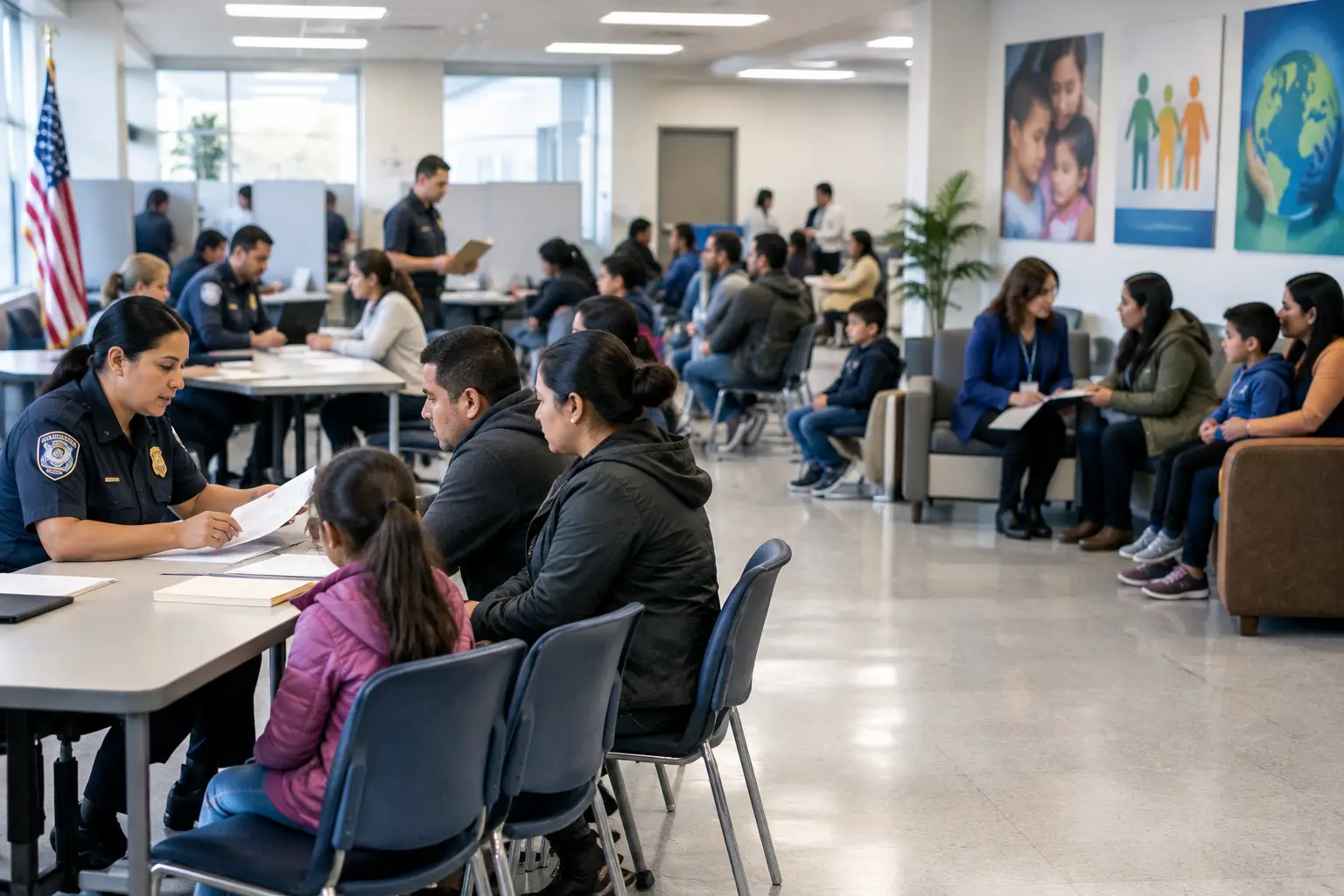
    A parent’s immigration detention can turn an already stressful border or status issue into an urgent family decision. In Canada, immigration detention of children and minors is governed by safeguards intended to protect a child’s well-being, but the situation can still be frightening and complicated. Families need clear information quickly, especially when a child may be separated from a parent or asked to remain with them in a detention facility.

    Canadian immigration detention is administrative, not criminal. The Canada Border Services Agency may detain a foreign national or permanent resident when there are concerns about identity, flight risk, or danger to the public, among other legal grounds. Detention does not decide a person’s immigration application or remove their right to seek advice and representation.

    How Canada Treats Immigration Detention of Children and Minors

    Under Canada’s immigration law, detaining a minor must be a measure of last resort. Decision-makers must consider the child’s best interests, including their age, physical and emotional needs, family relationships, education, and the practical effects of detention.

    There is an important distinction between a child who is formally detained and a child who is housed with a detained parent. A child may stay with a parent in an immigration holding center to avoid separation without being legally detained themselves. However, the impact on the child must still be assessed carefully. Staying together can be the least disruptive choice in some cases, but it is not automatically the best option in every family’s circumstances.

    Canadian authorities are expected to consider alternatives to detention before holding a minor or keeping a family together in a facility. Depending on the facts, alternatives may include reporting requirements, a cash or performance bond, a guarantor, or supervised community-based arrangements.

    What Happens After a Detention Decision

    A detention decision is subject to independent review by the Immigration Division of the Immigration and Refugee Board of Canada. The first review generally occurs within 48 hours, followed by another review within seven days if detention continues, and then at least every 30 days.

    At a review, the decision-maker considers whether the legal reason for detention still exists and whether release conditions could address the concern. For a family involving a minor, evidence about the child’s best interests should be specific rather than general. Information about school attendance, medical needs, caregiving arrangements, developmental concerns, and the effect of separation can all matter.

    Families should not assume that release is guaranteed because a child is involved. The outcome depends on the full record, including identity documentation, the person’s immigration history, compliance with prior conditions, and any public safety concerns. Still, a well-prepared plan for release can make a meaningful difference.

    Documents and information that may help

    When possible, gather identification documents for each family member, proof of the child’s school enrollment or childcare arrangements, medical records or prescription information, and contact details for relatives or friends in Canada. If someone is willing to act as a guarantor, they should be prepared to explain their relationship to the family, financial circumstances, and ability to support compliance with release conditions.

    It can also help to prepare a realistic address and care plan. A release proposal should answer practical questions: Where will the family live? How will they attend required appointments? Who will care for the child if a parent must attend a hearing or report to an officer? Vague assurances are less persuasive than a plan supported by documents and responsible people.

    Protecting a Child’s Interests During Detention

    Parents and caregivers should ask for clear information about the child’s status. Is the minor formally detained, or are they staying with a detained parent? What alternatives have been considered? When is the next detention review? These questions create a record and help the family understand the immediate options.

    A child’s needs should be raised early, not only at a later hearing. Tell officials about urgent medical issues, disabilities, trauma, school needs, medication, dietary requirements, or risks connected to separation from a parent. Keep copies of documents and notes of significant conversations where possible.

    Representation also matters. Novica Immigration can help explain the detention process, organize evidence, prepare a release plan, and represent an eligible client before the appropriate immigration tribunal. Some cases may require additional legal support, particularly where there are complex constitutional, child protection, or criminal-law issues.

    A Calm, Practical Next Step

    No family should have to respond to a detention situation by guessing what paperwork or legal process comes next. Focus first on the child’s immediate safety and care, then gather documents, identify reliable support in Canada, and obtain qualified advice as soon as possible. Clear preparation cannot guarantee an outcome, but it gives decision-makers a fuller picture of the family and the child whose future is affected.