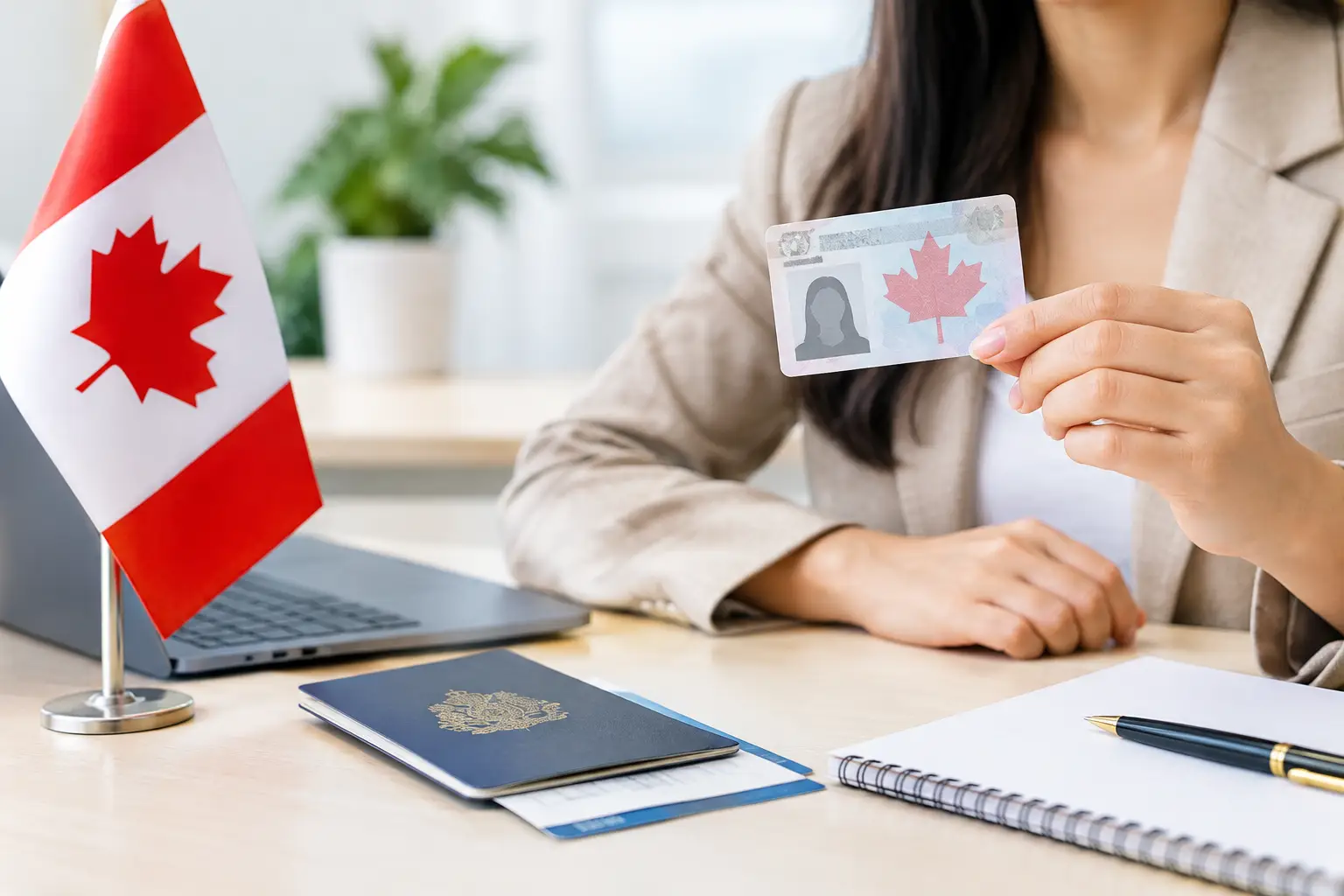
An expired PR card can make an upcoming trip, a job requirement, or a family visit feel far more stressful than it needs to be. Understanding the PR card renewal requirements early gives you time to confirm your residency days, gather clear evidence, and avoid last-minute travel problems.
Your PR card is proof of your Canadian permanent resident status for commercial travel. It is not the status itself. If the card expires, you do not automatically lose permanent resident status. However, an expired card can prevent you from boarding a flight, train, bus, or boat to Canada, and it can create avoidable complications when you need valid proof of status.
Who can renew a PR card?
In most cases, you can apply to renew your PR card if you are a permanent resident of Canada, are physically in Canada when you apply, and meet the residency obligation. You should generally apply when your card has expired or will expire within the next nine months.
A renewal application is not simply an administrative update. Immigration, Refugees and Citizenship Canada (IRCC) may assess whether you have maintained your permanent resident status, especially if your travel history shows significant time outside Canada. This is why the form, dates, and supporting documents deserve careful attention.
You may also need a PR card application if your card was lost, stolen, damaged, or never received. The core evidence is similar, but a lost or stolen card requires an explanation and may require additional details about what happened.
PR card renewal requirements: the residency obligation
For most permanent residents, the central requirement is having been physically present in Canada for at least 730 days during the five years immediately before the application is assessed. The 730 days do not need to be continuous. In practical terms, that means you can travel, work abroad, or spend time with family outside Canada, provided your qualifying days remain sufficient.
If you became a permanent resident less than five years ago, the question is slightly different: can you still accumulate 730 days in Canada by the fifth anniversary of becoming a permanent resident? A person who has been a PR for three years, for example, may not yet have 730 days in Canada but may still meet the obligation if enough time remains to reach that total.
Some time spent abroad can count toward the residency obligation. The rules are specific, and the evidence must support the exception. Qualifying situations can include time outside Canada while accompanying a Canadian citizen spouse or common-law partner, or as a dependent child accompanying a Canadian citizen parent. Time abroad may also count when working full-time for a qualifying Canadian business or public service, or when accompanying a permanent resident spouse, common-law partner, or parent who is employed in one of those qualifying roles.
These exceptions are not automatic. A company’s Canadian registration alone may not be enough to establish that overseas employment qualifies. Similarly, family-based exceptions depend on the relationship, citizenship or PR status of the person you accompanied, and the facts of the travel. If your eligibility relies on time outside Canada, it is wise to assess the details before submitting the application.
Documents to prepare before you apply
A well-prepared application tells one consistent story: who you are, where you have lived, and how you have met the residency obligation. IRCC’s document requests can change, and the right documents depend on your circumstances, but applicants commonly need identity documents, current and expired passports or travel documents, and photographs that meet the current PR card specifications.
Your travel documents are particularly important. They help IRCC compare the absences you list in your travel history against passport stamps, visas, and other records. Do not estimate dates if you can verify them. Review your calendar, airline confirmations, border records, work schedules, and entry stamps so that every absence from Canada is recorded accurately.
You may also need documents that support your residence in Canada. Depending on the case, useful evidence can include employment letters and pay records, school enrollment documents, lease agreements, tax records, utility bills, provincial health coverage records, or documents showing family residence. The goal is not to submit every document you own. It is to provide relevant, readable evidence that supports the dates and facts in the application.
If a document is not in English or French, it generally needs to be accompanied by a proper translation. The translation process has its own requirements, so do not rely on an informal translation from a friend or relative without confirming that it will be accepted.
Keep your address and name history consistent
Small inconsistencies can create delays. Make sure your addresses, work history, marital status, and travel dates align across the application and documents. If your name has changed since your last PR card, include the appropriate legal name-change evidence, such as a marriage certificate, divorce document, or court-issued record.
If you no longer have your previous PR card, state that clearly and follow the applicable declaration requirements. Trying to avoid the issue or providing an incomplete explanation can cause more difficulty than the missing card itself.
Apply from Canada and plan around travel
A PR card renewal application should be made while you are in Canada. IRCC sends the new card to a Canadian address and may ask you to collect it in person. If you leave Canada after applying, your travel plans can become complicated if your current card expires before you return.
If you are outside Canada without a valid PR card, you will usually need a permanent resident travel document, often called a PRTD, to return to Canada on commercial transportation. A PRTD application can also involve a residency obligation assessment. It is not a shortcut around an expired card, and processing time can affect travel plans.
For that reason, avoid booking international travel based on the assumption that a renewed card will arrive by a particular date. Processing times can change, and urgent processing is limited to specific, documented situations. An urgent request is not guaranteed simply because travel is booked.
The government fee for a PR card application is separate from any professional assistance and can change. Before filing, confirm the current fee, photo specifications, submission method, and document checklist directly through the applicable IRCC instructions.
Common issues that can put a renewal at risk
The most common concern is a residency shortfall caused by long absences, often after an applicant has been caring for relatives, working internationally, or living temporarily in another country. In these cases, applying without a clear strategy may expose a residency issue rather than resolve it.
Another frequent problem is an incomplete travel history. Applicants sometimes list only major vacations and overlook brief work trips, weekend visits, or travel through the United States. The dates matter because even a few missing absences can affect the residency calculation.
Documents can also raise questions when they do not match the story in the form. For example, a Canadian employment letter may not by itself prove physical presence in Canada if passport records show extended absences. Conversely, a person who qualifies through an exception for overseas employment needs evidence that addresses the specific legal criteria, not only proof that they had a job.
If you are close to 730 days, have spent extended time abroad, received a residency-related notice, or need to return to Canada from outside the country, personalized advice can be especially valuable. This is where a careful review of dates and documents can help you understand the risks before you submit anything.
A more confident way to prepare
Start by building a complete five-year timeline. Mark every entry to and exit from Canada, then identify which periods count toward your residency obligation. Next, organize the documents that support your time in Canada or any qualifying time abroad. Finally, review the application for consistency before submitting it through the current IRCC process.
At Novica Immigration, PR card renewal support can include a review of residency history, document organization, application preparation, secure document collection, submission guidance, and post-submission communication. The appropriate level of support depends on whether your case is straightforward or involves travel history, missing documents, time abroad, or potential residency concerns.
A PR card renewal should give you practical proof of the life you have built in Canada, not become a source of uncertainty. Give yourself enough time to prepare carefully, especially when travel or a complex residency history is involved. You do not have to figure it out alone.